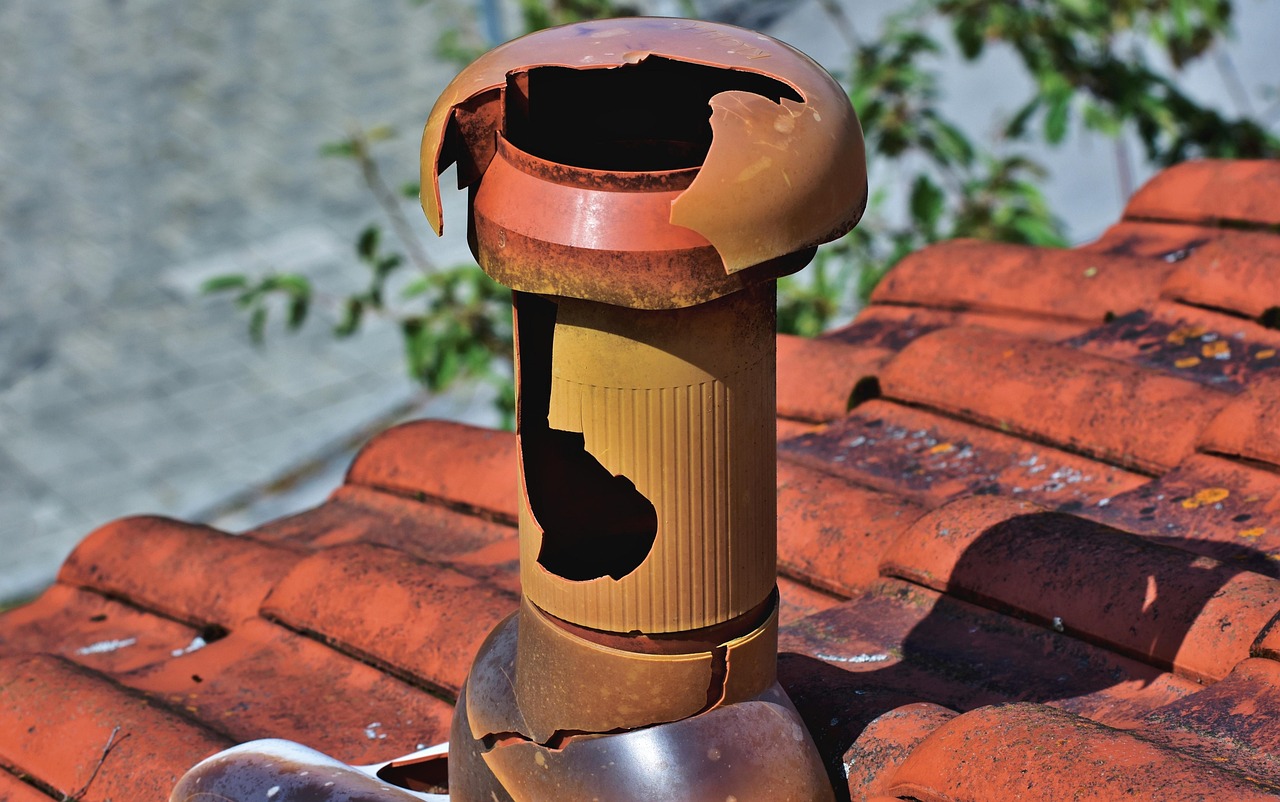
Forecasters treat hail as severe once it reaches about one inch across. NOAA's National Severe Storms Laboratory hail guide uses a quarter as the yardstick for that size and a golf ball for 1 3/4 inches. Stones in that range can leave real signs of hail damage on a roof, yet most of them are invisible from the driveway. This checklist walks Carrollton homeowners through what to look for from the ground, what only shows up close, and what to do in the first days after a storm rolls through Dallas, Denton or Collin County.
Work through it in order. The early steps are safe to do yourself and tell you whether the later ones are worth paying attention to. If the checklist turns up enough to worry about, our storm and hail damage roof repair page explains what happens next.
Before You Start: Keep Your Feet on the Ground
The safest hail check is the one done from the yard. OSHA's portable ladder safety quick card notes that falls from portable ladders are one of the leading causes of occupational injuries and deaths. After a storm, wet shingles and loose granules make footing worse than usual.
If you do use a ladder to look into a gutter, OSHA's basics apply: keep three points of contact, set the ladder on firm level ground and stay off the top rungs. Walking the roof is a job for someone with fall protection and experience reading hail marks; steps 1 through 5 never require it.
1. Pin Down the Storm Date and Hail Size
The first thing to record is when the storm hit and how big the stones were. Carrollton falls under the National Weather Service office in Fort Worth, which issues the severe thunderstorm warnings for the area, and a warning that mentions quarter-size or larger hail is a strong hint that roofs in its path deserve a look.
If you saw the hail, photograph a stone beside a ruler; the NSSL guide points out that measuring beats comparing to objects. Write down the date and rough time, because a dated note and photo answer the later question of which storm did the damage far better than memory.
2. Read the Soft Metals Around the House
Soft metals are the quickest ground-level indicator of how hard the hail hit. Aluminum gutters, downspouts, window screens and the thin fins on an outdoor AC unit dent easily, so they record hail size and direction.
- Look for round dents or dings along the face of gutters and on downspouts, especially on the sides facing the storm.
- Look at the AC condenser fins for a pattern of flattened spots.
- Note which sides of the house show marks and which do not. Hail usually rides the wind, so one or two elevations take most of the hits.
Treat these as indicators, not proof: dented gutters mean the hail was big enough to matter, but asphalt shingles respond to impacts differently and need their own inspection.
3. Check Gutter Outlets and Splash Zones for Granules
Granule loss is one of the clearest signs of hail damage on a roof, and the evidence washes down to where you can see it. Those sand-like granules on the surface of asphalt shingles shield the asphalt underneath from sunlight. After a hailstorm, look at the ground beneath downspout outlets and on driveways or patios under the eaves.
A dusting of granules is normal on a newer roof and on any roof as it ages. A heavy drift right after a storm, or dark gritty piles at every downspout, points to fresh impact damage. The FORTIFIED program's hail page, run by the Insurance Institute for Business & Home Safety, lists lost granules alongside dents and cracks as the main ways hail weakens a roof's protective layer.
4. Scan the Roof From the Yard
A slow look at the roof from the ground, with binoculars or a phone camera zoomed in, catches the most obvious hail damage without any climbing. Walk around the house so you see every slope.
- Roof vents, turtle vents and ridge vents: metal caps often show visible dents when hail was large.
- Flashing around the chimney, pipes and walls: look for dings or bent edges.
- Missing shingles, torn edges or dark spots where granules have been knocked away.
Dented vent caps work like dented gutters: they show the stones could damage roofing metal and tell an inspector which slopes to study first.
5. Check the Attic and Ceilings
The attic is where hail damage that has already become a leak shows up first. With a flashlight, look at the underside of the roof deck for damp spots, darkened wood or daylight, especially under vents and around the chimney, and check top-floor ceilings for new stains after the next rain.
Finding nothing is good news but not a clean bill of health. Most hail damage does not leak right away, which is why the up-close signs in the next steps matter, and why a professional roof inspection is the step that settles the question.
6. Up Close: Bruising and Circular Granule Loss
Hail bruising is a soft spot in a shingle where the impact has crushed or loosened the mat underneath the surface. It often looks like a dark circle where granules are missing, and when an inspector presses on it, it gives slightly, a bit like a bruise on an apple.
The difference is pattern. Hail marks tend to be random and scattered, show up most on the slopes that faced the storm and line up with dents on the vents nearby. Wear from age, foot traffic or manufacturing blemishes looks different and does not follow the storm's direction. On a Roofing Carrollton Pros inspection, every slope is walked, hits are chalked and counted in a measured test square and each one is photographed, so the pattern is documented rather than guessed at.
7. Up Close: Cracked, Split or Torn Shingles
Cracks and splits are the hail damage most likely to become a leak. Large stones can fracture a shingle outright, while older shingles that have grown brittle in the Texas sun can crack from smaller hail. FORTIFIED notes that hailstones can bounce, shatter or turn to slush on impact, and each behaves differently on a roof, which is one reason damage varies so much from house to house on the same street.
Fresh breaks have clean, light edges; old weathered cracks with rounded, darkened edges point to age rather than the latest storm.
8. Separate Cosmetic Damage From Functional Damage
Cosmetic hail damage changes how a roof looks without affecting how it sheds water, while functional damage shortens its life or opens a path for leaks. A shallow dent in a metal vent cap that still seals properly is usually cosmetic. A bruised shingle with its mat fractured, a cracked shingle or a punctured vent boot is functional.
The distinction matters because FORTIFIED warns that dents, cracks and lost granules left alone can lead to leaks and leave a roof more vulnerable to the next storm. It also decides the right response: cosmetic marks can usually be noted and watched, while functional damage on a slope generally calls for repair before the next storm season.
9. What to Do in the First Days After the Storm
The first few days are about documentation and preventing further damage, not big decisions.
- Photograph hail on the lawn, dented gutters, vents and granule piles from the ground, the same day or the next morning.
- Catch any interior leak, move belongings and keep receipts for anything bought to protect the home.
- If a section of roof deck is open to the sky, arrange temporary tarping or dry-in rather than waiting; Roofing Carrollton Pros offers that service where the deck is exposed.
- Schedule a roof inspection before the next round of rain, and ask for a written report with photos.
- If you plan to involve your insurer, check your policy's reporting requirements; the claim process is its own topic, and the roofer's role is to document and repair, not to adjust.
From Trinity Mills down to Frankford Road, a single spring storm can hit one street hard and skip the next, so a neighbor's roof is not a reliable guide to yours. Roofing Carrollton Pros offers free inspections across Carrollton and nearby cities, and a written, photographed report whether or not you ever file a claim.
Hail Damage FAQ
Can a roof have hail damage if it is not leaking?
Yes, and that is the usual case. Bruised shingles and lost granules often stay watertight for a while, then age faster and start leaking months later.
Does hail smaller than a quarter damage shingles?
It can, especially on older or already worn shingles, and wind-driven hail hits harder than its size suggests. The one-inch mark is the severe-weather threshold for forecasters, not a guarantee that smaller stones leave a roof alone. Dented gutters or vents after a smaller-hail storm are a good reason to have the shingles looked at.
Are impact-resistant shingles immune to hail damage?
No. When IBHS tested eight shingles that all carried an impact-resistant label, their results ranged from Excellent to Poor, so the label alone does not tell you how a roof will hold up.
Not sure what the hail left on your shingles?
Have every slope walked, the hits chalked and counted in a test square and each one photographed, at no charge.